


If you suffer from chronic back pain, you have likely considered both options: investing in a massage chair for daily home use, or committing to regular sessions with a physical therapist. Both promise relief, but they work very differently — and for many people, the cost difference is substantial.
So which is better? The short answer: Physical therapy is clinically superior for pain reduction and disability improvement, but massage chairs are significantly more cost-effective and offer comparable patient satisfaction. A rigorous randomized controlled trial published in the journal Medicine found that massage chair therapy is a “promising treatment for pain control and quality of life modification” — but efficacy is still superior in physiotherapy.
In this comprehensive guide, we will compare massage chairs and physical therapy across seven key dimensions: effectiveness, cost, convenience, types of conditions treated, and long-term outcomes. We will also review the best products for home massage therapy.
🎯 Key Takeaway: Physical therapy is clinically superior for pain reduction and disability improvement, but massage chairs cost 40% less and provide comparable patient satisfaction. The best approach for many people is to use both: physical therapy for acute treatment, massage chair for daily maintenance.
The Evidence: What a Clinical Trial Found
A rigorous randomized controlled trial published in Medicine compared massage chair therapy with conventional physiotherapy for lower back pain patients. The study enrolled 56 participants — 25 received physiotherapy, 31 received mechanical massage using a massage chair [citation:1].
Key findings from the study:
| Outcome Measure | Physiotherapy | Massage Chair | Winner |
|---|---|---|---|
| Pain reduction (VAS scale) | 1.73 ± 1.14 improvement | 1.16 ± 0.78 improvement | Physiotherapy (P = .03) |
| Patient satisfaction (MPQ scale) | 7.35 ± 2.24 | 8.14 ± 1.42 | No significant difference (P = .27) |
| Quality of life (FRI scale) | 2.67 ± 1.85 improvement | 2.16 ± 1.64 improvement | Physiotherapy (P = .03) |
| Monthly cost | $166.82 USD | $100.38 USD | Massage chair (60.17% of PT cost, P < .001) |
Both treatments were effective for pain control, satisfaction, and quality of life improvement (P < .001 for all measures). However, physiotherapy showed significantly better results on pain reduction and disability improvement [citation:1]. Notably, there was no significant difference in patient satisfaction between the two groups — meaning people were equally satisfied with their massage chair experience as those receiving professional physical therapy [citation:1].
The study concluded: “The home massage chair system was cost-effective, but pain control and disability improved more with physiotherapy. However, our results showed that the massage chair is a promising treatment for pain control and quality of life modification, but efficacy is still superior in physiotherapy and the chair is not a replacement for physiotherapy” [citation:1].
How Each Treatment Works: Different Mechanisms
Understanding how each treatment works helps explain their different outcomes.
Physical Therapy — Professional, Personalized Intervention
Clinic-based physiotherapy uses multiple modalities [citation:1]:
- Extradermal heating therapy — Causes distension of blood vessels in muscles around the spine, resulting in metabolic acceleration, increased flexibility of ligament tissue, and decreased pain
- Laser therapy — Uses short-wavelength non-invasive light to restore anti-inflammatory activity and induce binding of tissues
- Therapeutic exercise — Strengthens weak muscles and improves posture
- Manual therapy — Hands-on joint mobilization and soft tissue work
- Education — Teaches proper body mechanics and pain management strategies
The key advantage of physical therapy is the human element — a trained professional who can diagnose specific issues, adjust treatments in real-time, and provide emotional support and motivation [citation:1].
Massage Chair — Convenient, Cost-Effective Mechanical Therapy
Massage chairs operate on a different principle known as the gate control theory of pain [citation:1]:
Back pain is transmitted through mechanical receptors on the skin to the spinal cord and back to the brain. During this process, when another sensory signal enters the spinal cord, the gates open or close before the signal is transferred to the brain. Massage creates a large number of sensory signals, which may either close or partially open the spinal cord nerve gates. Closed nerve gates prevent these stimulation signals from being transmitted to the central nervous system, thus blocking the path of the pain signal to the brain during massage [citation:1].
Modern massage chairs offer features that enhance this mechanism:
- Vibration and tapping modes — Designed to reduce dermal stimulation and control pain through gate control theory
- Stretch modes — Rubbing and kneading actions that mimic manual techniques
- Heat therapy — Loosens tight muscles before massage begins
- Zero gravity positioning — Reduces spinal pressure by distributing body weight evenly
The limitation of massage chairs is the absence of human touch and emotional connection. The study authors noted that compared to physiotherapy, “massage chair therapy requires no emotional support and human contact, and is associated with a lack of emotional connection between patients and the medical practitioner” — which may explain the reduced effectiveness in pain control [citation:1].
Cost Comparison: The Numbers Tell a Clear Story
The cost difference between massage chair therapy and physical therapy is substantial. According to the clinical trial [citation:1]:
- Monthly physiotherapy cost: $166.82 USD per month
- Monthly massage chair rental: $100.38 USD per month
- Percentage difference: Massage chair therapy costs only 60.17% of physiotherapy (P < .001)
If you choose to purchase versus rent a massage chair, the savings grow even larger over time. A $2,500 massage chair used daily for 5 years costs about $42 per month — roughly 25% of the monthly cost of weekly physiotherapy sessions.
Long-Term Cost Comparison
| Option | Cost per month | Cost per year | Cost over 5 years |
|---|---|---|---|
| Physiotherapy (1x/week) | ~$167 | ~$2,000 | ~$10,000 |
| Massage chair (rental) | ~$100 | ~$1,200 | ~$6,000 |
| Massage chair (purchase) | ~$42 | ~$500 | ~$2,500 |
Note: Purchase cost assumes a $2,500 chair used for 5 years. Actual cost per session decreases the more frequently you use it.
Best Massage Chairs for Home Therapy
Based on the clinical trial findings, here are the best massage chairs available for home therapy:
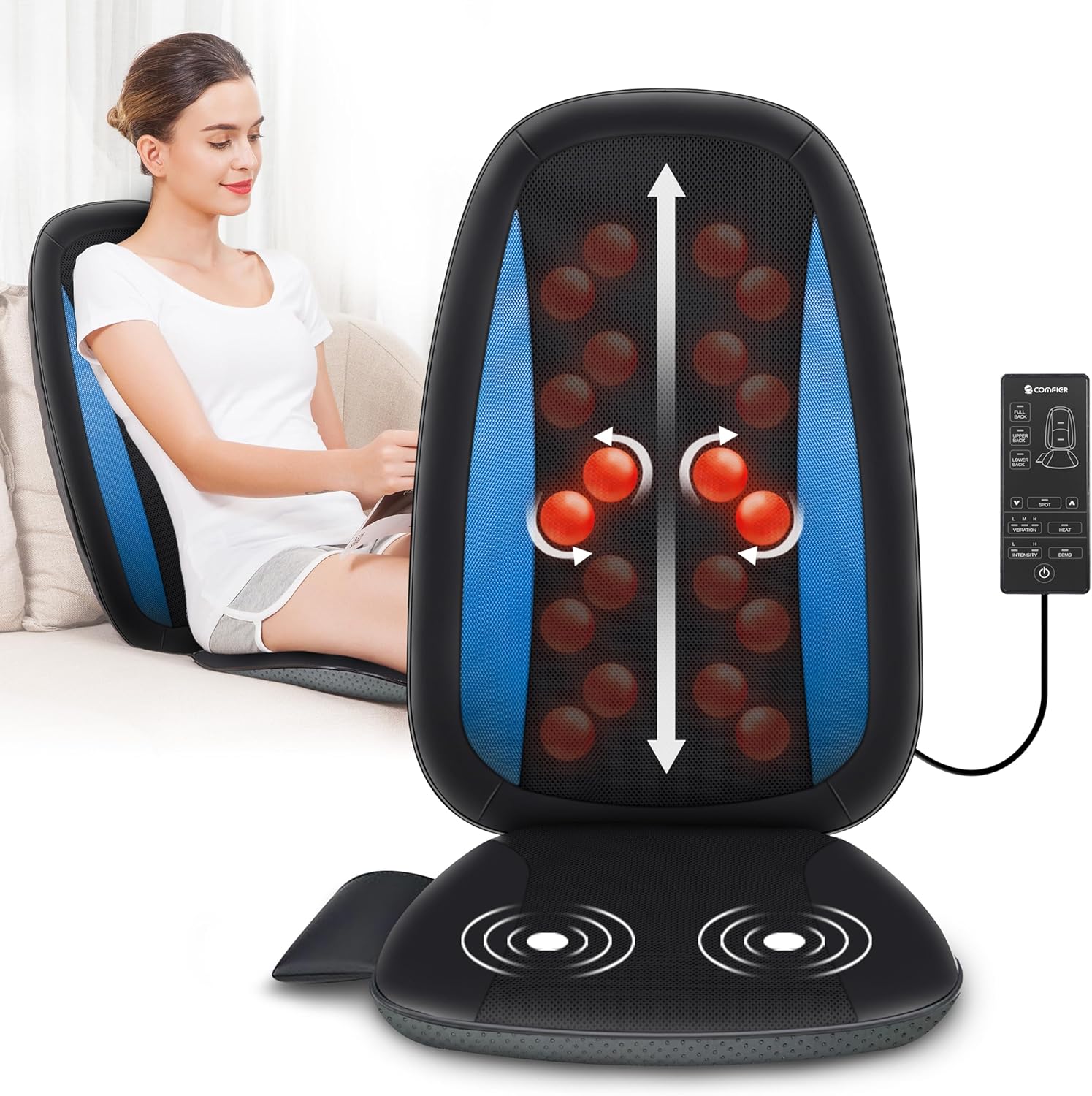
#1. COMFIER Shiatsu Back Massager with Heat — Best Portable Home Therapy

💰 Price: ~$95
⭐ Rating: 4.3/5 stars (7,000+ reviews)
📦 ASIN: B07M699ZHV
⚙️ Massage type: Shiatsu with 4 rotating nodes, 2 intensity levels
🔥 Key features: Deep tissue kneading, spot massage, heat therapy, adjustable node width, 15-min auto shut-off
🎯 Best for: Daily home therapy between PT sessions
The COMFIER Shiatsu Back Massager attaches to any office chair, recliner, or sofa, providing professional-grade Shiatsu massage at home. Its 4 rotating nodes mimic the deep kneading of manual therapy.
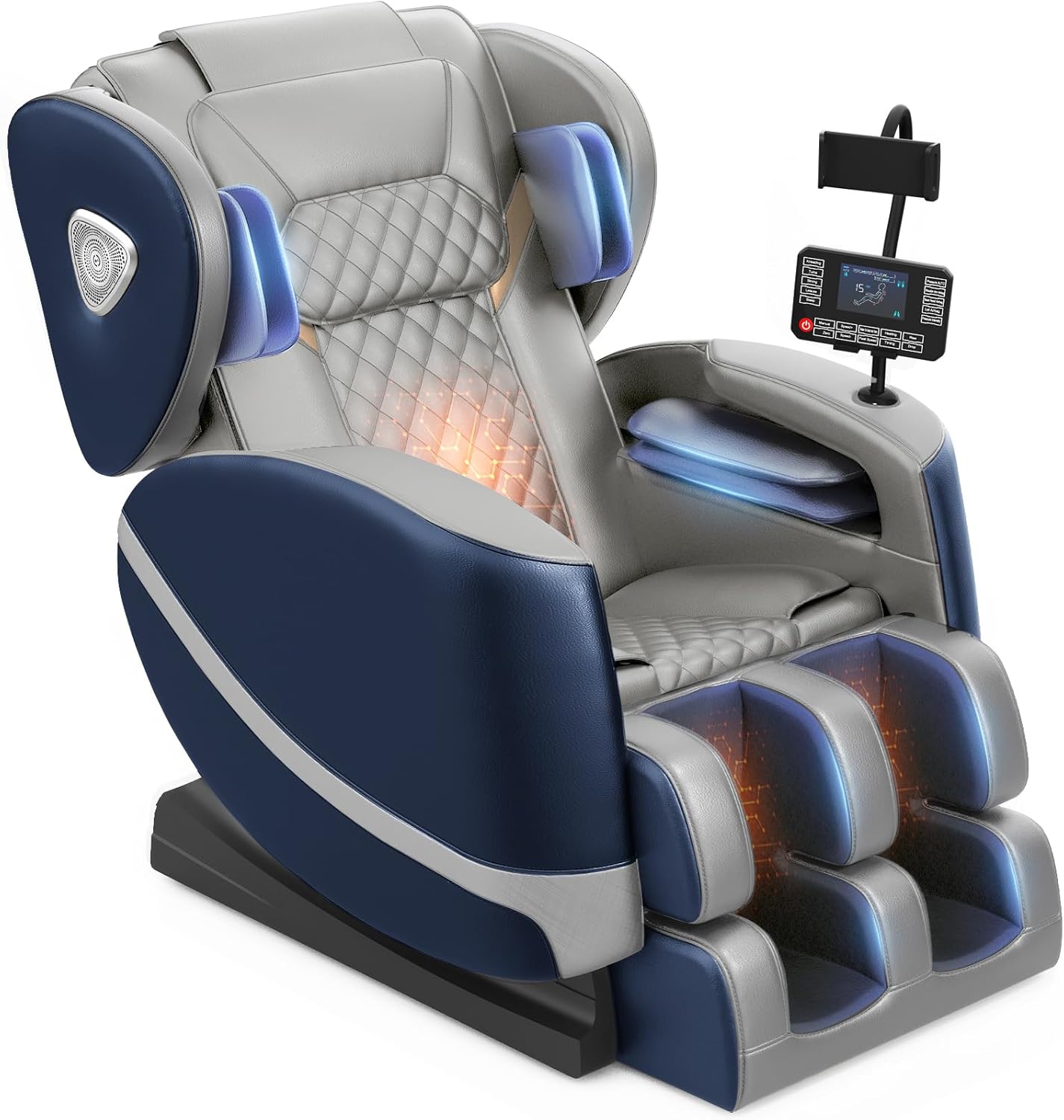
#2. FURNIMAT 2026 Massage Chair — Best Budget Full-Body Chair

💰 Price: $499–$599
⭐ Rating: 4.5/5 stars
⚙️ Massage type: 10 fixed rollers (8 back + 2 hip) + airbags
🛤️ Track: SL-Track
🔥 Key features: Zero gravity, heating (waist + feet), foot rollers, touchscreen, Bluetooth
🎯 Best for: Budget-conscious buyers wanting full-body zero gravity massage
The FURNIMAT 2026 delivers zero gravity recline and full-body roller massage at an accessible price — perfect for daily maintenance therapy.
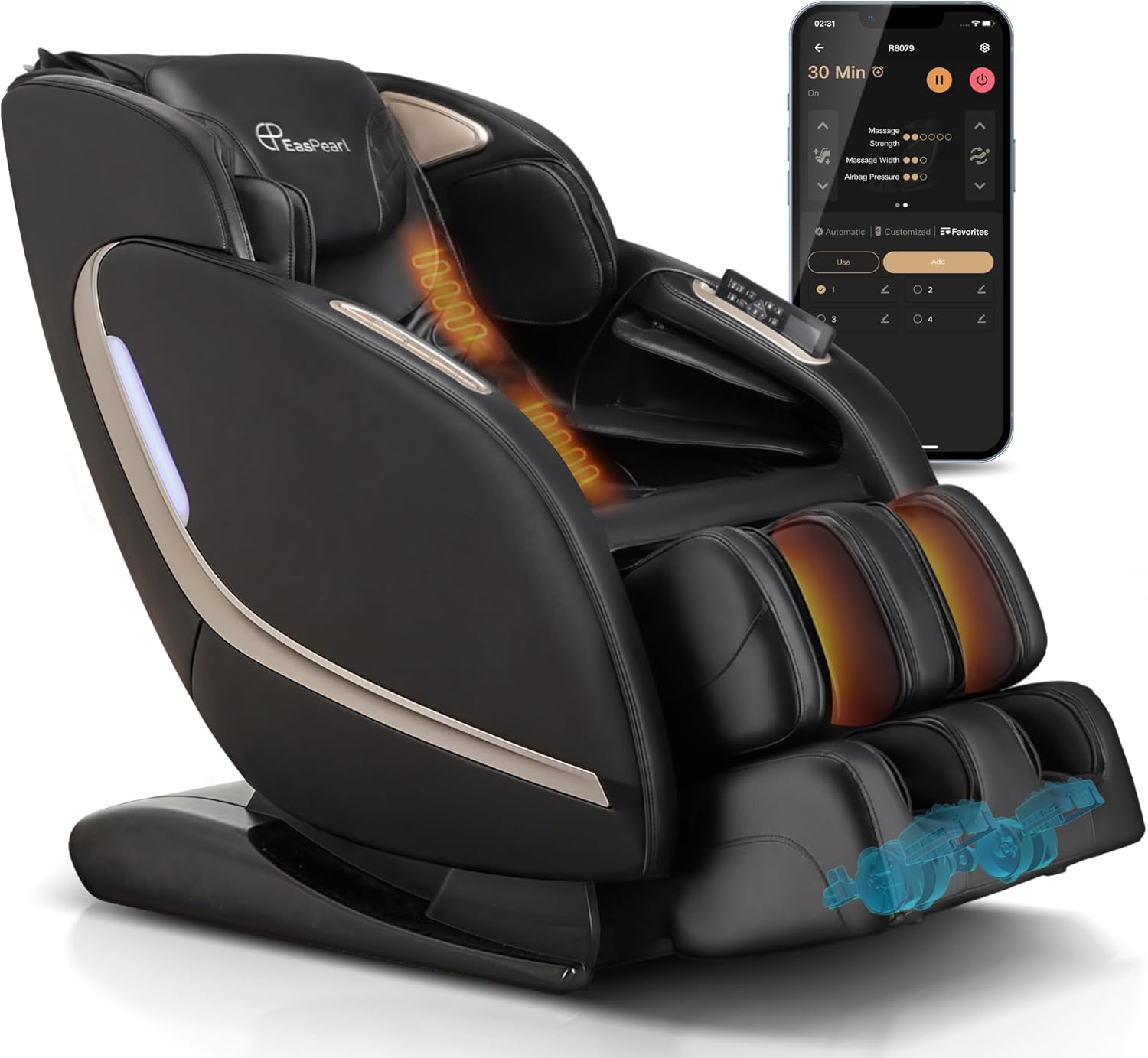
#3. EASPEARL R8079 4D Massage Chair — Best Advanced Home Therapy

💰 Price: $1,399-$1,699
⭐ Rating: 4.8/5 stars
⚙️ Massage type: 4D Shiatsu with 12 auto modes and 6 manual techniques
🛤️ Track: Extra-long SL-Track (neck to hips)
🔥 Key features: Body scan technology, 3-level zero gravity, space-saving (1.97″ from wall), 32 airbags, heating (back/waist/legs), foot rollers
🎯 Best for: Serious home therapy with advanced 4D technology
The EASPEARL R8079 offers professional-grade 4D Shiatsu massage and comprehensive full-body coverage, ideal for replacing or supplementing regular PT visits.
Effectiveness for Different Types of Back Pain
Acute Lower Back Pain
For acute episodes (sudden onset, severe pain), physical therapy has a clear advantage. The study showed significantly better pain reduction with physiotherapy on the VAS scale [citation:1]. A physical therapist can perform specific diagnostic tests, identify the exact source of pain, and apply targeted treatments — something a massage chair cannot do.
Chronic Lower Back Pain
For chronic, recurring back pain, both treatments are effective. The study found that patient satisfaction was not significantly different between the two groups [citation:1]. This suggests that for long-term management, massage chairs can be a very satisfactory option, especially given their lower cost and 24/7 availability.
Subacute Pain and Maintenance
Massage chairs excel at maintenance therapy. Once acute pain is under control, a massage chair can provide daily relief to prevent recurrence. The gate control theory explains why regular mechanical massage can effectively block pain signals before they reach the brain [citation:1].
Practical Considerations: Convenience and Accessibility
Massage Chair Advantages
- 24/7 availability — Use it whenever you need it, day or night
- No appointments — No waiting rooms, no scheduling conflicts
- No travel — Use it in the comfort of your own home
- Unlimited use — Use it daily without additional cost
- Privacy — No need to undress or interact with strangers
- Family access — One investment serves multiple family members
Physical Therapy Advantages
- Professional diagnosis — A trained clinician can identify the source of pain
- Hands-on treatment — Manual techniques that machines cannot replicate
- Individualized exercise prescription — Specific strengthening and stretching for your condition
- Real-time feedback — The therapist adjusts treatment based on your response
- Education and prevention — Learn proper body mechanics to prevent recurrence
- Emotional support — Human connection and motivation
Can a Massage Chair Replace Physical Therapy?
The short answer from the clinical trial is no — the massage chair is not a replacement for physiotherapy [citation:1]. The study authors explicitly concluded that “efficacy is still superior in physiotherapy and the chair is not a replacement for physiotherapy.”
However, for many patients, a massage chair can be an excellent complementary therapy. The same study noted that “mechanical massage chair therapy may be a clinically effective and cost-effective treatment method for LBP” [citation:1].
The best approach for most people is a combined strategy:
- Start with physical therapy — Get a proper diagnosis and treat acute pain
- Learn self-management techniques — Your PT can teach you exercises and stretches
- Invest in a massage chair for maintenance — Use it daily to prevent recurrence
- Return to PT for flare-ups — Professional care when you need it most
Frequently Asked Questions
Is a massage chair as effective as physical therapy?
Not for acute pain or disability improvement. The clinical trial showed that physical therapy was significantly more effective for pain reduction (VAS) and quality of life improvement (FRI) [citation:1]. However, for patient satisfaction, there was no significant difference — meaning people were equally happy with massage chair therapy as with physical therapy.
Can a massage chair make back pain worse?
If used incorrectly, yes. Using a massage chair too long (over 20 minutes), at too high intensity, or with certain medical conditions can worsen pain. Always start at low intensity for 10-15 minutes. If you have a diagnosed spinal condition, consult your doctor first. The clinical trial reported no complications or aggravation of pain following massage chair treatment [citation:1].
Which is cheaper: massage chair or physical therapy?
Massage chairs are significantly cheaper in the long run. The study found massage chair therapy cost only 60.17% of physiotherapy costs [citation:1]. If you purchase a chair rather than rent, the savings are even greater — a $2,500 chair used daily for 5 years costs about $42 per month, compared to $167 per month for weekly physical therapy.
Will insurance cover a massage chair?
Generally, no. Massage chairs are considered home wellness equipment, not medical devices. However, some flexible spending accounts (FSAs) or health savings accounts (HSAs) may reimburse with a doctor’s prescription. Physical therapy is typically covered by health insurance, though copays and deductibles vary.
Do massage chairs work for sciatica?
Massage chairs can help with sciatica symptoms by relaxing tight gluteal muscles that may compress the sciatic nerve. However, if your sciatica is caused by a herniated disc or spinal stenosis, physical therapy may be more appropriate. Consult your doctor for a proper diagnosis.
Final Verdict: Which Should You Choose?
🎯 For Acute Back Pain: Physical Therapy
If you are in severe pain, need a diagnosis, or have a specific injury, start with physical therapy. The clinical evidence shows physiotherapy is superior for pain reduction and disability improvement [citation:1].
🎯 For Chronic Maintenance: Massage Chair
If you have recurring back pain that flares up with stress, activity, or sitting, a massage chair offers excellent value. Patient satisfaction is comparable to physical therapy, and the cost is significantly lower [citation:1].
🎯 Best of Both: Combine Them
Use physical therapy for acute episodes and professional diagnosis, and a massage chair for daily maintenance. This approach gives you the best of both worlds: professional care when you need it and convenient daily relief at home.
Remember: The best treatment for back pain depends on your specific condition, severity, budget, and lifestyle. The clinical evidence clearly shows that both physical therapy and massage chairs are effective — they just serve different purposes. For most people with chronic back pain, a combination approach offers the ideal balance of professional care and convenient home maintenance.
📌 Related guides: